
Is Dog Health Screening Worth the Investment?
The practice of routine wellness care has become increasingly prevalent among pet owners who want to protect their companions from hidden illnesses. As veterinary care continues to evolve, more canine owners are choosing to stay ahead of potential medical issues through systematic diagnostic evaluations. The primary objective of these proactive medical checks is to detect diseases in their earliest stages, which can dramatically improve a canine's overall quality of life. However, the financial investment associated with comprehensive testing can sometimes deter families from pursuing these options.
Evaluating whether the long-term benefits outweigh the upfront financial commitment requires a thoughtful look at preventive care. Investing in a comprehensive dog health screening offers valuable insights into hidden medical conditions that might not produce outward physical signs. By evaluating physical wellness, diagnostic tests allow families to address medical concerns before they turn into severe health crises. Understanding the advantages, potential challenges, and practical alternatives empowers pet parents to make well-informed decisions regarding their pet's lifelong health care routine.
Understand the Basics of Testing
A full medical evaluation involves diagnostic procedures conducted to assess the overall physical wellness of a canine. The primary objective is to identify underlying health issues before they become critical. Early identification plays a vital role in addressing health concerns during their initial phases, allowing for prompt clinical intervention. This proactive approach helps extend lifespan while enhancing day-to-day comfort. By identifying issues early, systematic checks facilitate informed decision-making regarding long-term care plans, treatment modalities, and general maintenance.
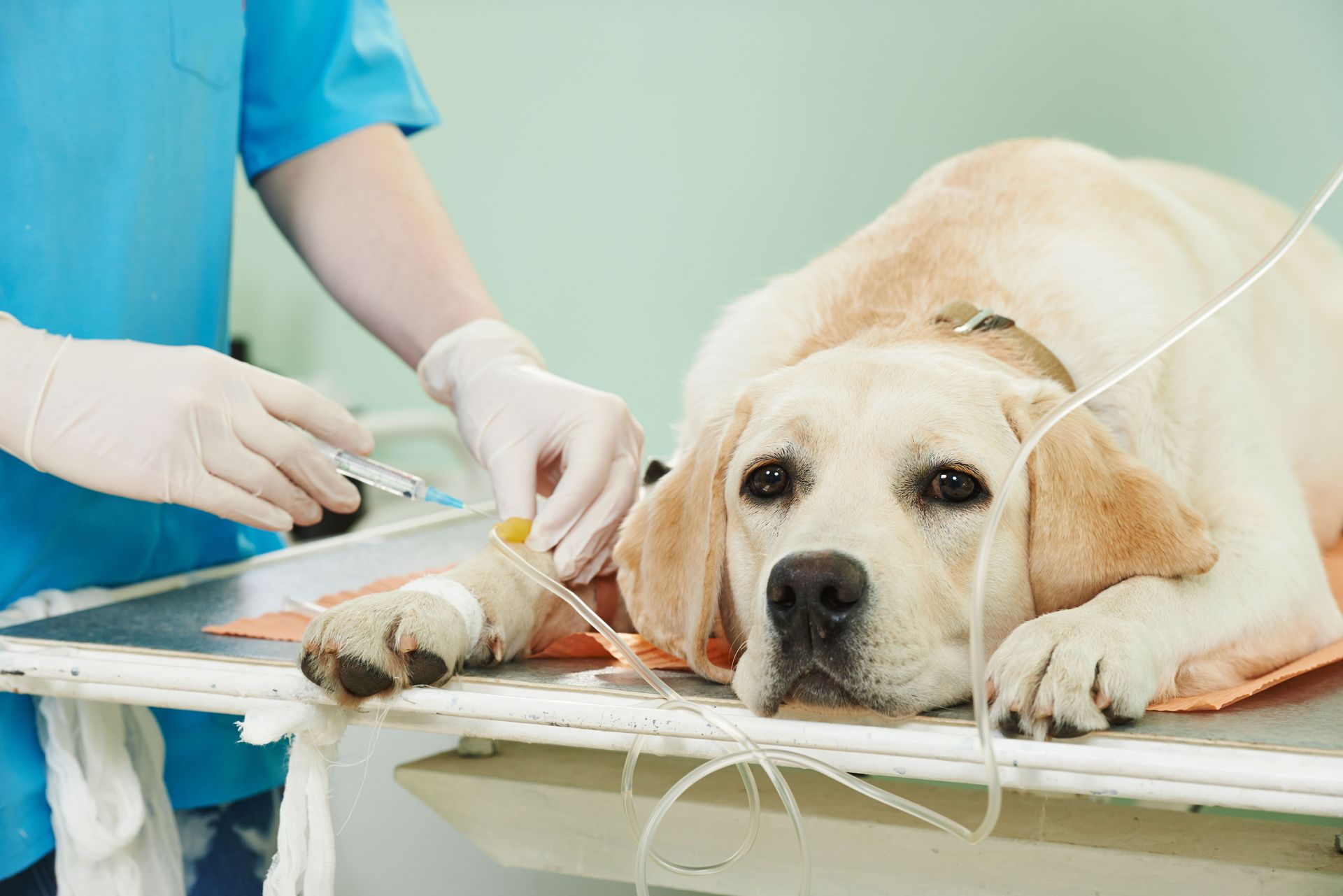
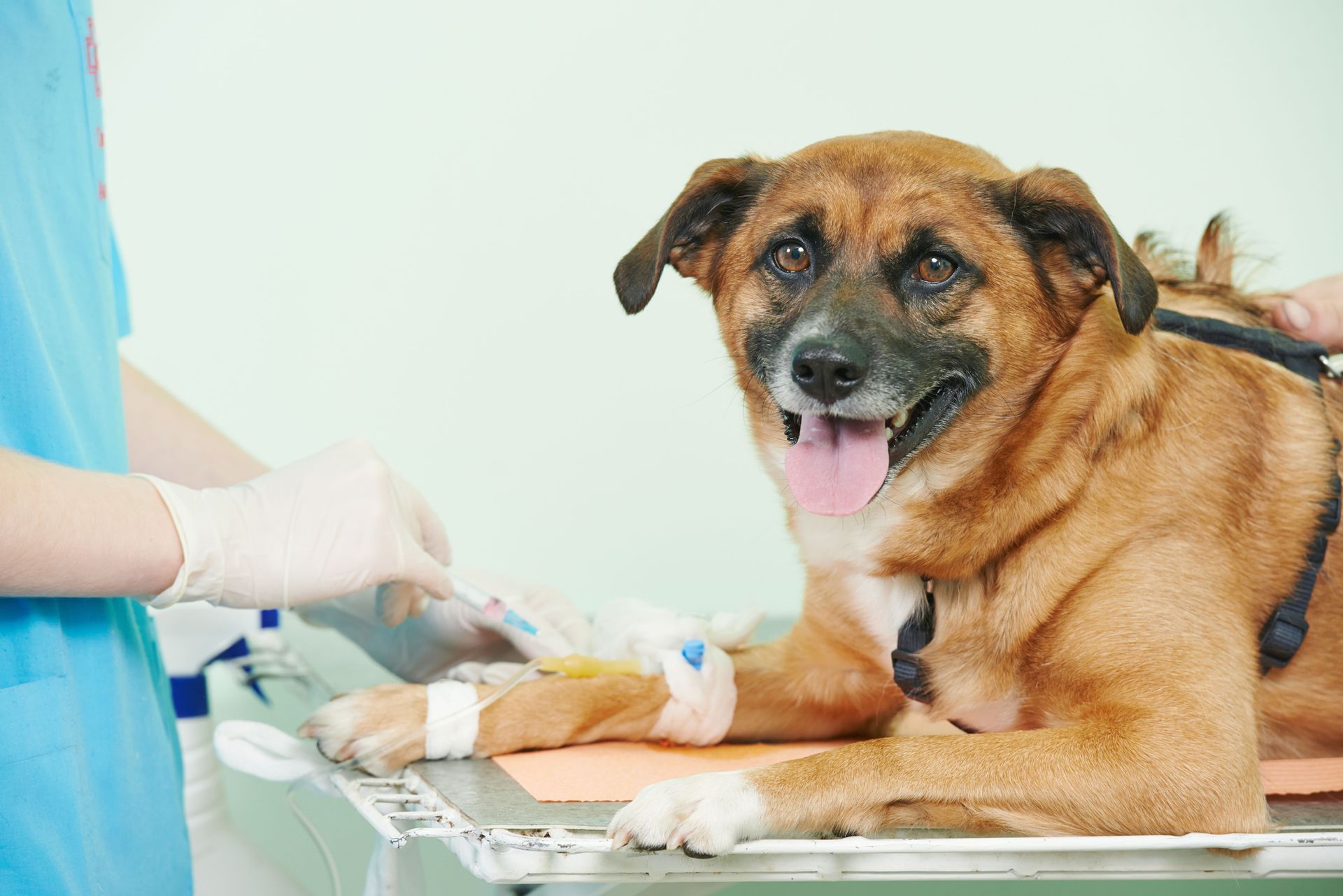
The testing process begins with a primary veterinary consultation where baseline physical data is gathered. Medical professionals collect blood samples, perform diagnostic imaging, and conduct physical examinations to evaluate wellness. Various tools serve distinct purposes depending on a dog's specific profile, including genetic testing for inherited conditions and routine organ function panels. Utilizing a structured dog health screening process ensures that any subtle health abnormalities are thoroughly investigated, giving veterinary teams the necessary insights to build effective treatment strategies.
Maximize Early Detection Benefits
Early identification of medical conditions stands as one of the most compelling reasons to pursue routine veterinary testing. Identifying hidden health concerns before clinical symptoms manifest allows for immediate medical intervention, preventing minor issues from escalating into severe emergencies. Consistent diagnostic evaluations play a fundamental role in maintaining long-term physical well-being. This proactive approach offers immense peace of mind to families, significantly reducing anxiety surrounding unexpected medical crises while extending a companion's active lifespan.
Routine diagnostics contribute directly to superior long-term health outcomes by facilitating early disease management. Prompt clinical intervention following early discovery enables veterinarians to control chronic illness effectively, helping dogs maintain higher energy levels over many years. Diagnostic test results empower veterinary teams to design customized care plans tailored to an individual animal's needs. Scheduling a periodic dog health screening ensures that these personalized health management plans remain accurate and effective across all life stages.
Evaluate Financial and Practical Challenges
Initial expenses for diagnostic procedures, particularly specialized genetic panels or advanced imaging, represent a noticeable financial commitment for many families. Balancing household expenses alongside pet care requires careful planning, especially when considering that, according to data from the AVMA, roughly two-thirds of pet owners own their homes, including 65.6% of dog owners and 60.4% of cat owners. Navigating competing financial priorities can make initial testing costs feel overwhelming, even when considering potential future savings on intensive treatments.
Diagnostic inaccuracies and false-positive results represent another legitimate challenge associated with veterinary testing. Medical tests are not completely immune to errors, and incorrect results can occasionally lead to unnecessary stress, additional testing, or unexpected expenses for follow-up diagnostics. Clinical visits can also induce temporary anxiety in sensitive animals. Incorporating a routine dog health screening into a calm, supportive environment helps reduce stress while ensuring pet parents receive accurate interpretations from qualified veterinary professionals.
Assess Critical Individual Factors
An animal's age and specific breed play a significant role in determining the ideal frequency and scope of veterinary evaluations. Senior animals are naturally more susceptible to developing chronic health conditions, making regular diagnostic assessments increasingly necessary as time goes on. Specific canine breeds are also predisposed to distinct genetic conditions, requiring targeted screening protocols. Understanding these breed-specific risks enables pet parents to prioritize testing that addresses their companion's unique vulnerabilities effectively.
Pre-existing medical conditions heavily influence the approach taken toward routine veterinary testing. Dogs already diagnosed with chronic illnesses require frequent diagnostic monitoring to track disease progression and evaluate treatment efficacy. Professional guidance from a qualified veterinary team is essential when deciding which diagnostic tests are necessary based on history and lifestyle. Integrating a recommended dog health screening into a comprehensive wellness plan ensures that every decision aligns with the animal's specific healthcare requirements.
Explore Practical Preventative Alternatives
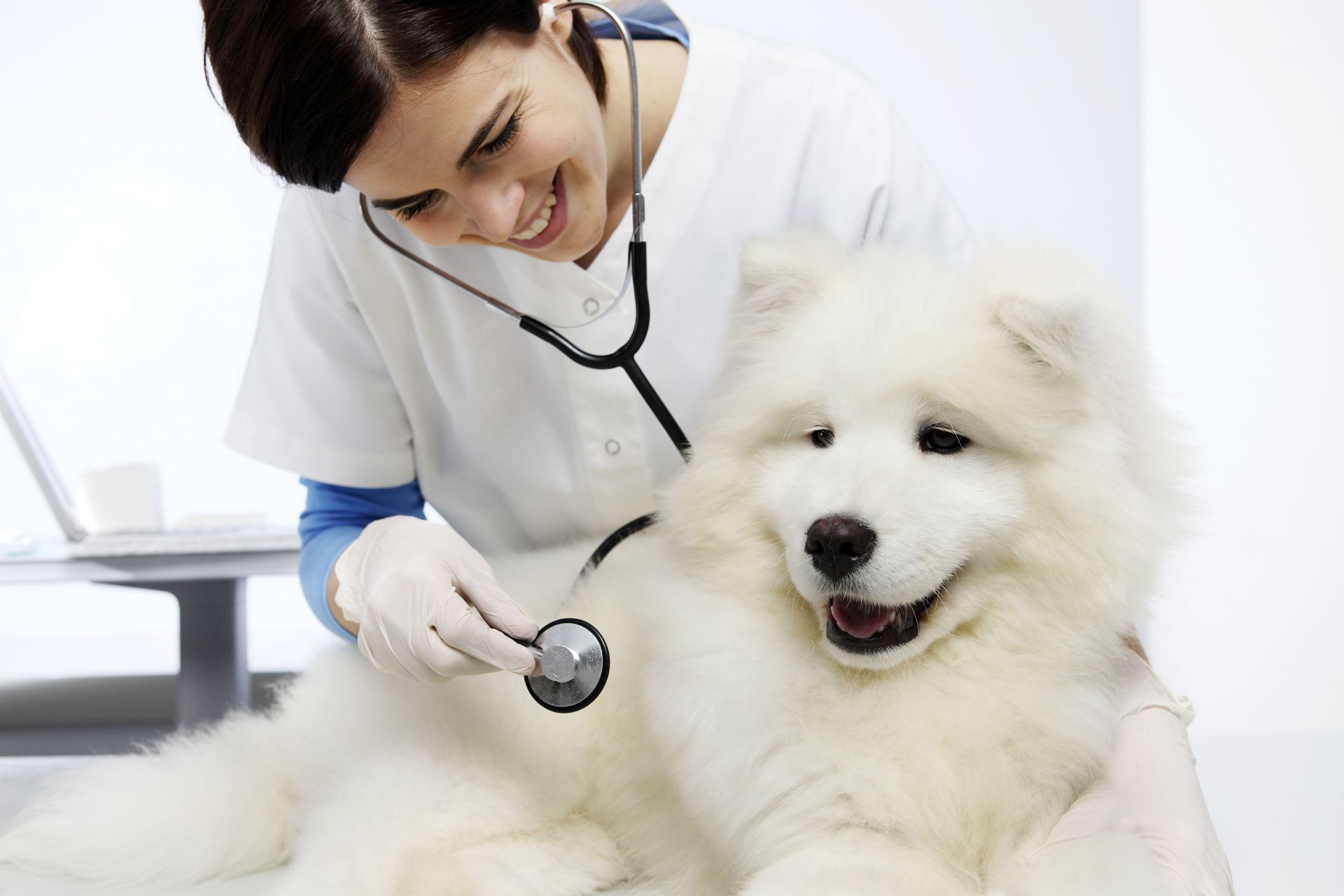
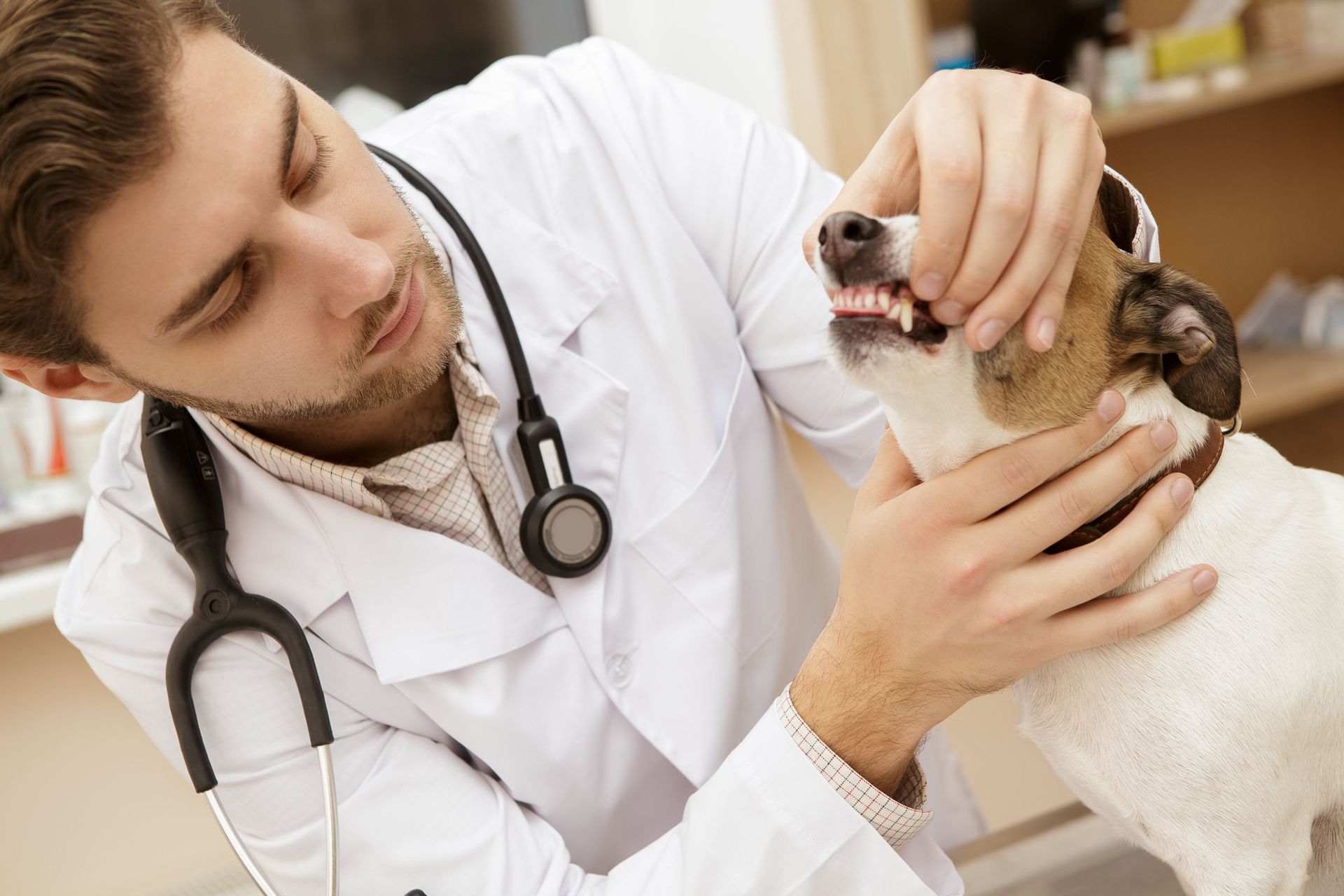
Regular physical examinations represent a practical alternative for families unable to invest in extensive laboratory panels. Routine clinical visits allow veterinarians to conduct physical assessments, evaluate vital signs, and address visible changes in health. While general check-ups may not catch internal conditions as early as specialized testing, consistent clinical visits still offer significant protection. Maintaining regular contact with a veterinary clinic ensures that basic health needs are monitored consistently and effectively throughout the year.
Attentive daily care, proper nutrition, and active lifestyle management serve as foundational elements of preventive health care. Providing balanced nutrition tailored to an animal's life stage helps prevent common conditions like obesity and joint strain. Attentive home observation allows pet parents to identify subtle shifts in appetite or energy levels before major problems develop. Incorporating a targeted dog health screening alongside diligent home monitoring provides a comprehensive safeguard for long-term health and well-being.
Embrace Innovative Veterinary Trends
Rapid advancements in veterinary technology are transforming how animal health issues are detected and treated. Innovative diagnostic imaging, biotechnology, and advanced genetic profiling are expanding the ability to detect disease with remarkable accuracy. These modern technologies reduce the time required to obtain test results, enabling prompt medical intervention. As diagnostic technologies continue to evolve, advanced medical evaluations are becoming increasingly accurate, efficient, and accessible to pet owners nationwide.
Artificial intelligence is quickly changing veterinary diagnostics by offering sophisticated data analysis tools that process complex medical data. Machine learning models can analyze genetic information and medical histories to predict potential health risks before physical symptoms appear. Growing awareness among pet owners is driving a shift toward proactive, personalized veterinary care. Utilizing modern health screening protocols allows families to leverage cutting-edge veterinary science to protect their companion's future.
Deciding whether to pursue routine diagnostic evaluations involves weighing physical benefits against financial considerations and individual circumstances. While early disease detection, tailored treatment plans, and long-term preventive care present clear advantages, upfront costs and potential test inaccuracies require careful thought. The value of diagnostic testing depends on factors such as age, breed predispositions, and household budget. Consulting with experienced veterinary professionals ensures that care decisions align with an animal's unique medical requirements.
Pursuing a comprehensive dog health screening empowers pet parents to protect their companion's long-term vitality through early intervention and personalized wellness planning. Taking proactive steps today can prevent severe health complications down the road and ensure a happier, healthier life for your pet. To give your dog the high-quality preventive care they deserve, contact us at Perrysburg Animal Hospital today to schedule your companion's next wellness examination and partner with our dedicated care team.










Share On: