
What Your Pet's Annual Exam Catches That You Can't
The importance of regular veterinary check-ups for pets cannot be overstated. These visits are crucial for detecting health issues early, ensuring that your furry friends lead long, healthy lives. Despite being a vigilant owner, subtle indications of health problems might go unnoticed without professional evaluation. Utilizing comprehensive pet care resources allows owners to stay informed, but nothing replaces the hands-on expertise of a trained veterinarian. This article explores the critical aspects of annual exams and what they uncover before minor concerns turn into major medical emergencies.
Routine wellness exams serve as an essential baseline for your pet's health throughout every stage of life. During these visits, veterinarians evaluate physical conditions that are impossible to assess thoroughly at home. By combining home observations with professional pet care resources, you create a reliable safety net for your companion. Understanding the hidden risks that a full evaluation catches will help you appreciate the value of preventative veterinary care.
Detect Early Signs of Chronic Illness
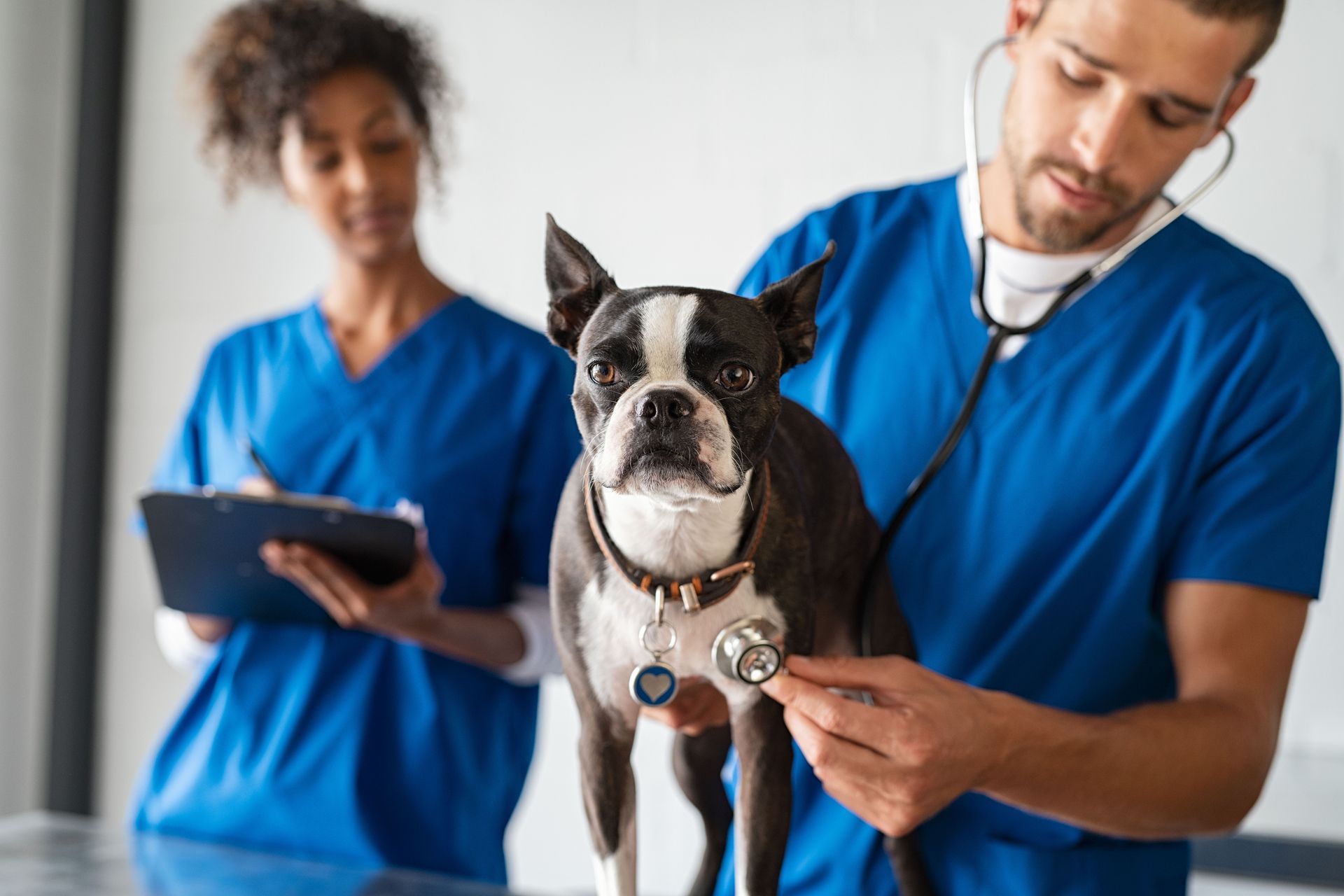
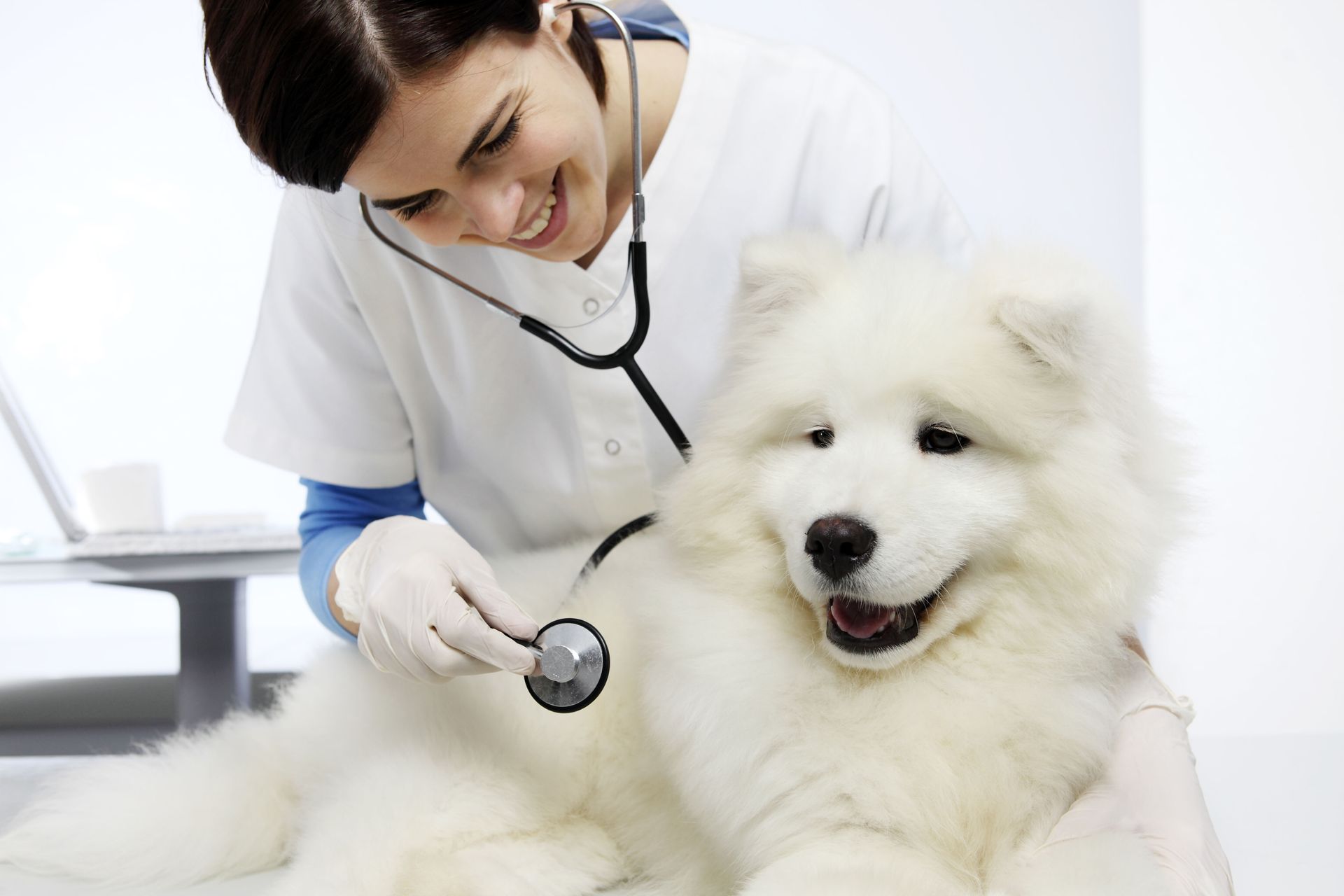
Annual veterinary check-ups play a pivotal role in the early detection of chronic conditions. Pets cannot verbalize discomfort, making it difficult for owners to recognize early symptoms of underlying health issues. Veterinarians identify subtle signs of conditions like heart disease that are not visible to the untrained eye. A thorough examination can uncover changes in behavior, appearance, or organ function that point toward developing health problems. Early detection facilitates prompt medical management.
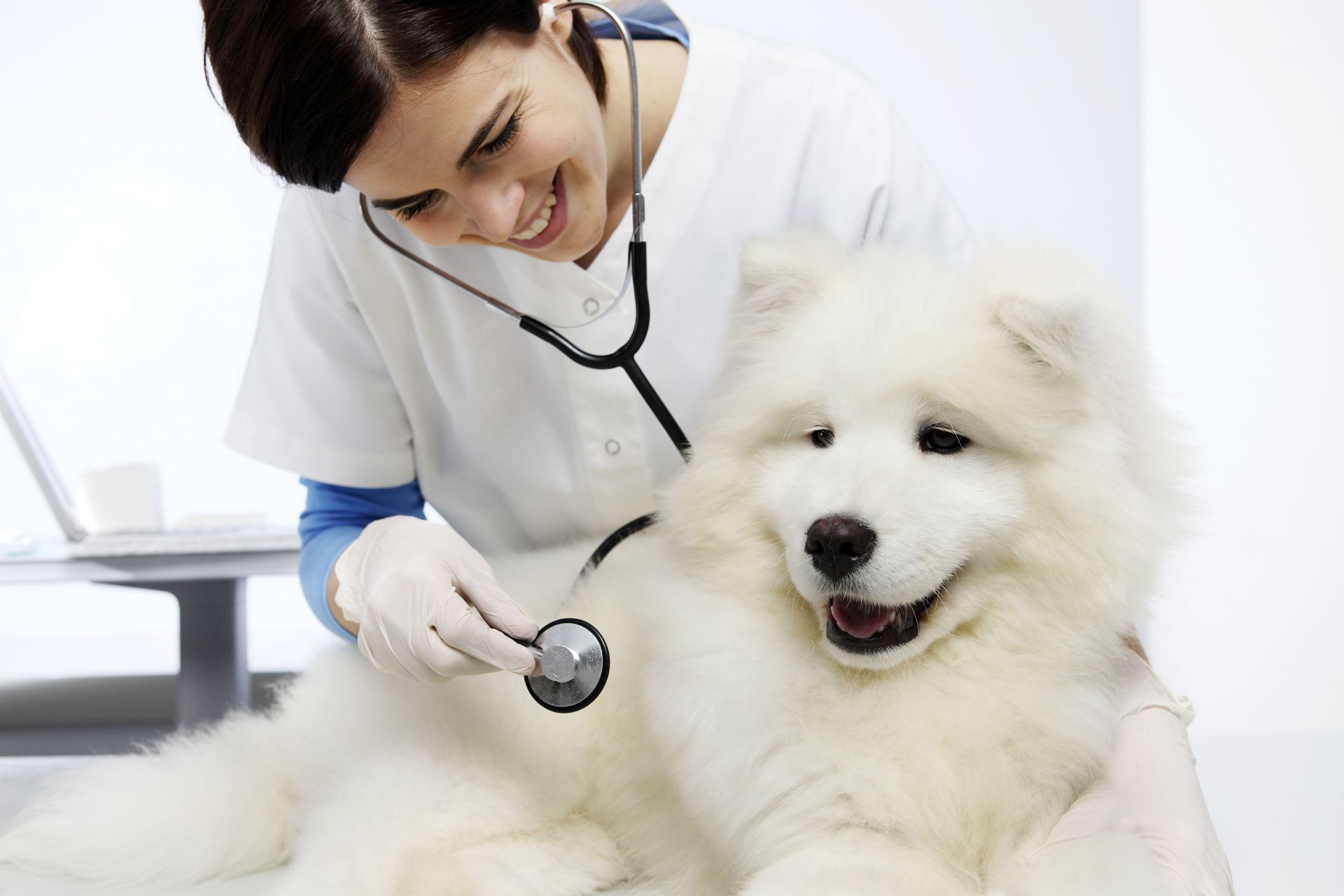
Identifying heart problems early allows for lifestyle modifications and targeted treatments that extend a pet's lifespan. Clinicians listen for irregular heart rhythms, evaluate breathing patterns, and check for signs of exercise intolerance. Chronic conditions like kidney dysfunction and joint discomfort also benefit immensely from early recognition. According to Rover, all dogs ought to receive a complete physical examination at least once per year to catch these evolving risks early. Combining clinical findings with educational pet care resources helps owners maintain daily comfort.
Examine Oral Health and Prevent Dental Disease
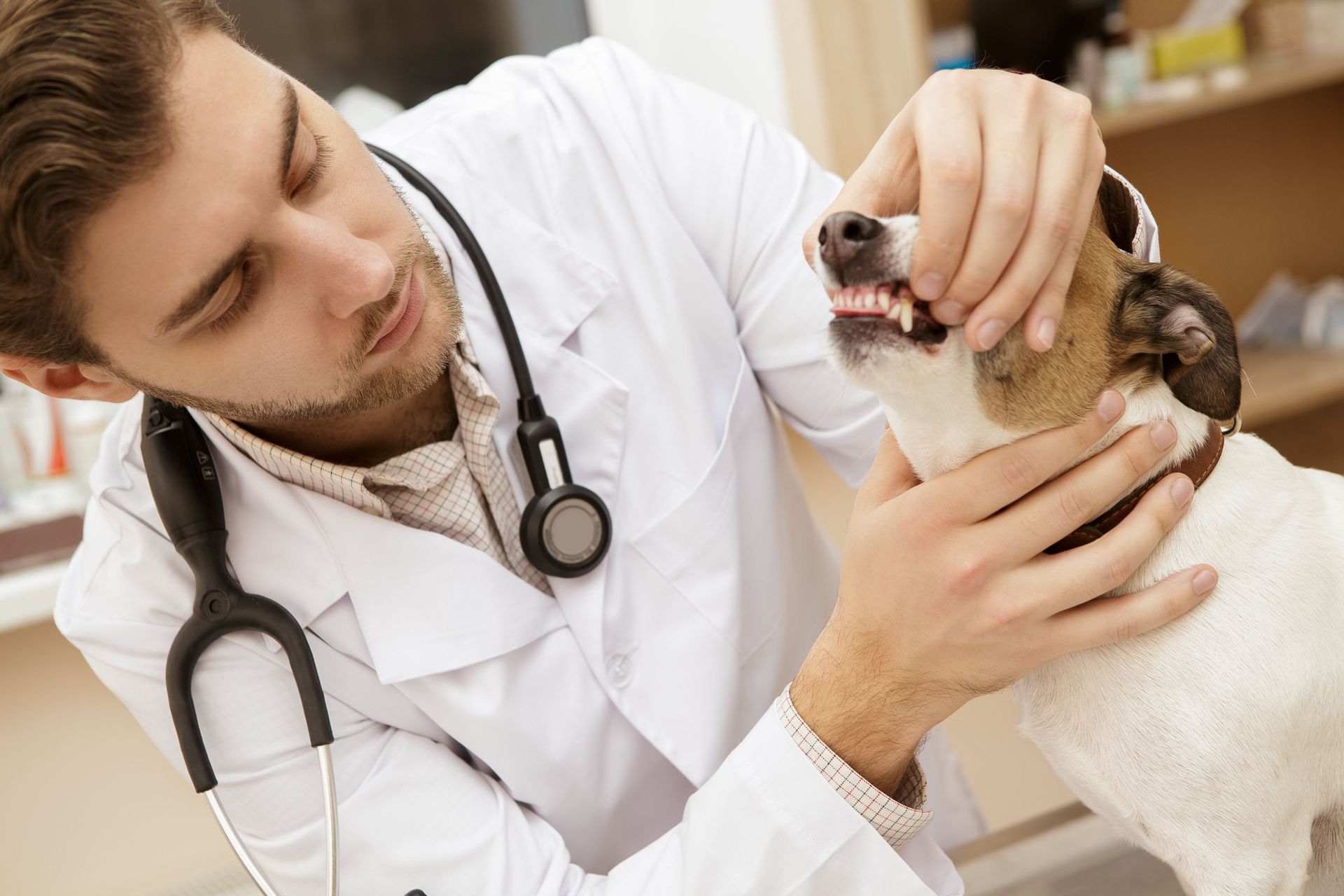
Oral health is a vital component of overall wellness for pets, yet many owners overlook it. An annual exam includes a comprehensive dental assessment, which is crucial for catching hidden issues like advanced dental disease. Many pets suffer quietly with tooth decay, cracked teeth, or gum infections that create continuous discomfort. Veterinarians spot hidden signs of oral disease during check-ups and recommend appropriate treatment plans. Professional cleanings or extractions alleviate discomfort while reducing systemic complications.
Gingivitis and periodontal inflammation represent widespread oral problems that veterinarians identify during routine check-ups. Left untreated, these localized infections can spread through the bloodstream, potentially affecting internal organs like the heart and kidneys. Regular clinical assessments track the health of your pet's gums and teeth, ensuring early inflammation receives prompt attention. Specialized instruments clear away buildup that leads to structural deterioration, while jaw evaluations ensure your companion chews comfortably. Relying on trusted pet care resources empowers owners to maintain proper oral hygiene.
Evaluate Body Weight and Nutritional Balance
A pet's daily diet profoundly influences overall vitality, making the veterinary clinic an essential source for guidance. Vets conduct thorough reviews of your pet's eating habits, searching for signs of nutritional deficiencies or caloric imbalances. Managing body weight is critical, as excess weight places unnecessary strain on internal organs and skeletal structures. During annual exams, veterinarians evaluate body condition scores and design custom nutritional plans. Proper guidance prevents weight-related complications and supports physical endurance.
Determining nutritional suitability represents another focal point during annual health assessments. Vets evaluate your pet's current food to ensure it satisfies specific stage-of-life and medical requirements, recommending adjustments whenever necessary. These modifications might involve transitioning to specialized formulas, modifying serving sizes, or introducing joint supplements. Every recommendation aims to harmonize energy expenditure with balanced nutrition to maintain optimum physical condition. Utilizing reliable pet care resources keeps owners educated on nutritional choices as their companion grows older.
Identify Internal and External Parasites Early
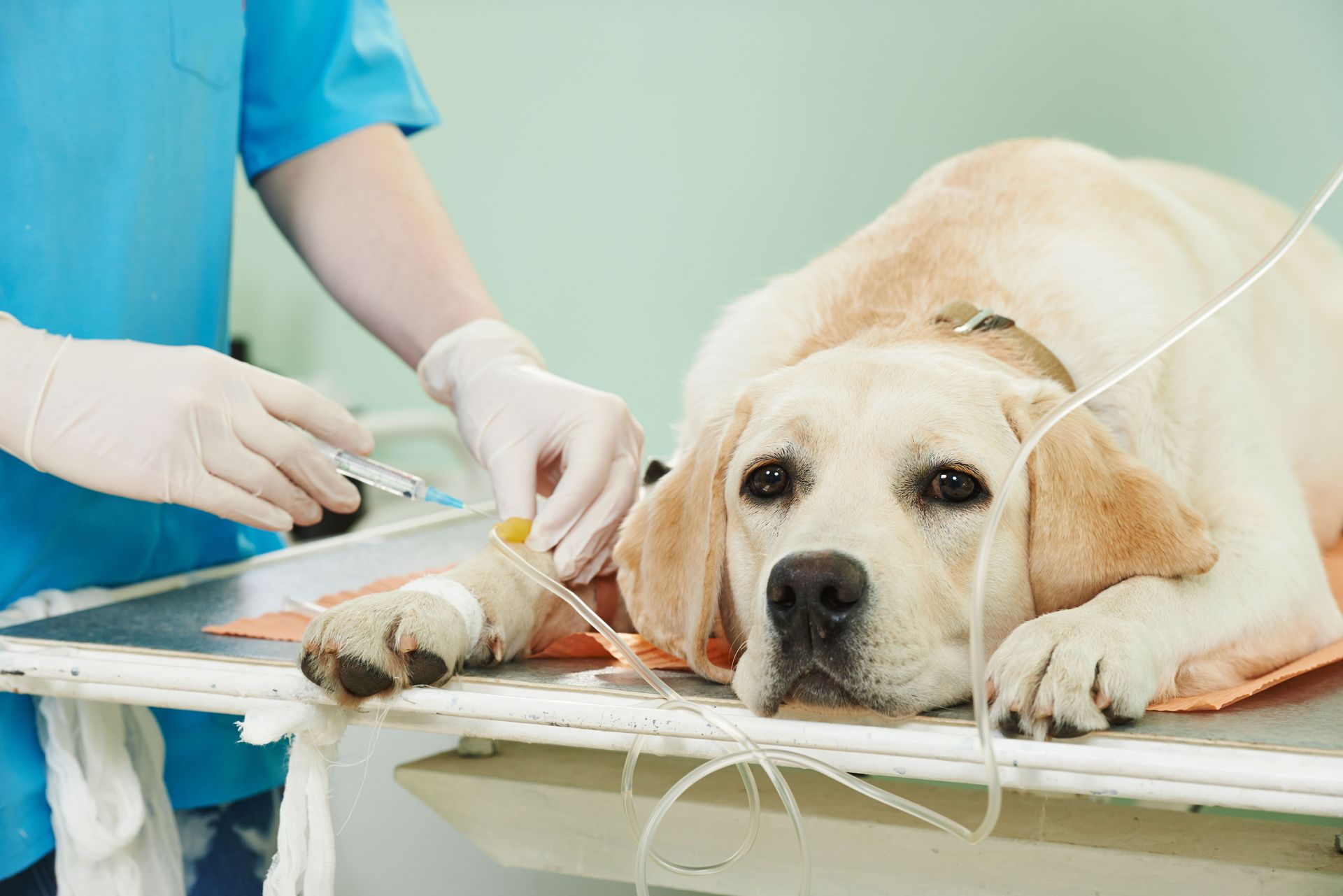
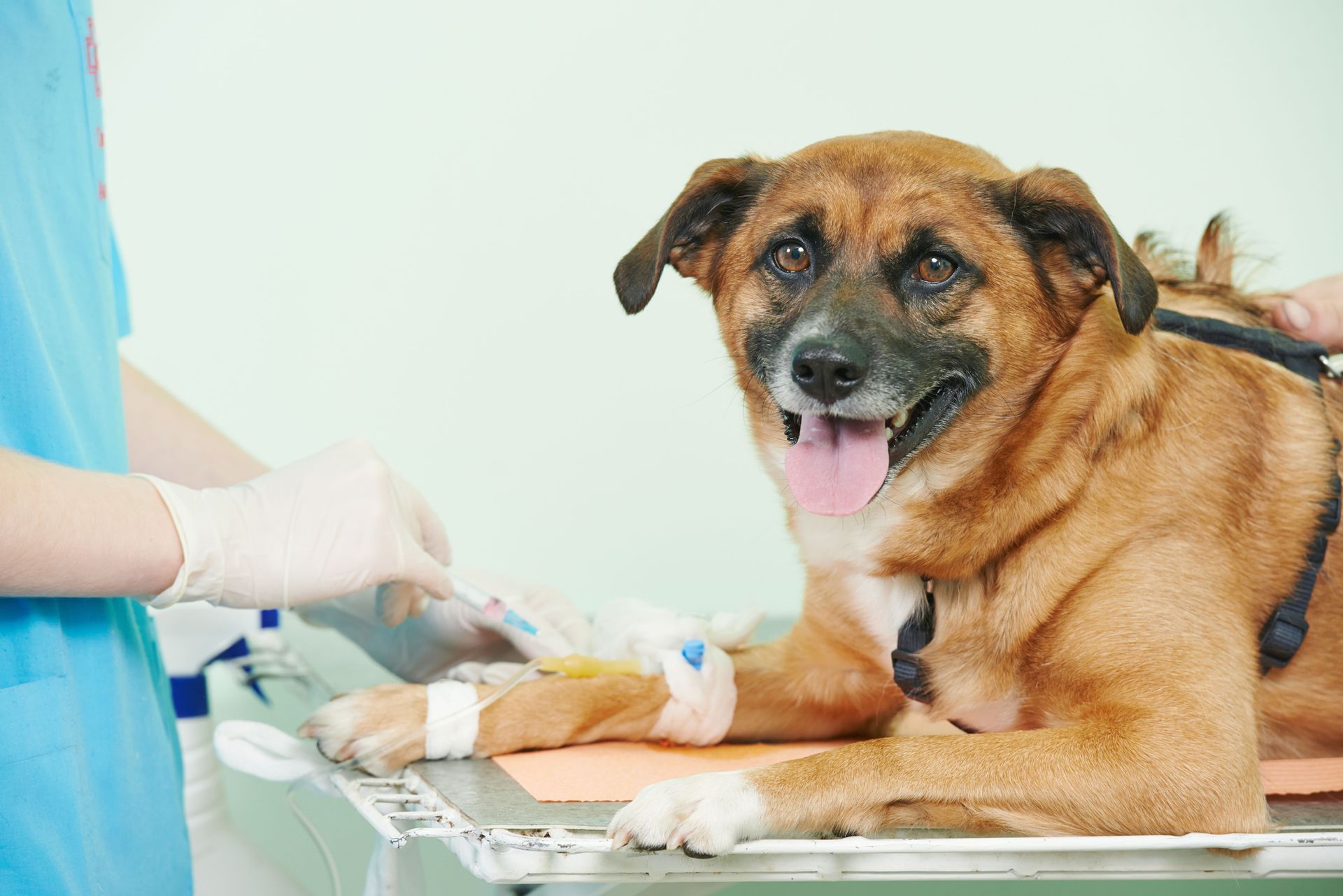
Parasite prevention is a cornerstone of comprehensive veterinary care that receives dedicated attention during annual visits. Veterinarians are trained to detect internal and external parasites that threaten your animal's well-being. Internal parasites like intestinal worms cause digestive distress, vomiting, and weight loss. Vets perform diagnostic fecal testing and blood screenings to detect hidden parasites, prescribing targeted preventatives. Regular monitoring protects your pet while eliminating risks to human family members.
External pests like fleas, ticks, and mites are thoroughly evaluated during physical check-ups. These persistent parasites cause severe itching, skin inflammation, and secondary infections, while ticks transmit debilitating blood-borne illnesses. Clinicians inspect the coat and skin for microscopic evidence of infestation that hides under dense fur. Heartworm disease transmitted by mosquitoes also requires regular blood testing for early detection. Incorporating preventative pet care resources ensures that owners select safe pest treatments to keep their companion healthy throughout every season.
Assess Subtle Behavioral and Cognitive Changes
Behavioral changes in pets frequently signal hidden medical issues or environmental stressors that require expert evaluation. During annual check-ups, veterinarians assess temperament and behavioral patterns, looking for subtle signs of anxiety or discomfort. These assessments help identify underlying conditions such as separation distress, which often manifests through destructive habits or excessive vocalization. Vets provide actionable strategies to manage behavioral challenges. Addressing these behavioral cues restores emotional balance and strengthens the human-animal bond.
Recognizing triggers for unexpected behavioral shifts is another area where professional veterinary expertise proves invaluable. Aggressive behaviors or sudden mood changes can stem from hidden physical pain, acute fear, or neurological shifts, requiring careful assessment to manage safely. Identifying age-related cognitive changes is vital for supporting senior pets as they grow older. Recognizing signs like confusion or disorientation early allows for proactive interventions, such as specialized diets and mental stimulation. Consulting professional pet care resources empowers owners to adapt their home environment to suit their aging companion.
Update Vital Immunizations and Protective Vaccines
Vaccinations form the foundation of preventive medicine, shielding pets from dangerous infectious diseases. During an annual exam, veterinarians review vaccination histories to ensure core immunizations remain up to date. Core vaccines protect against severe conditions like rabies, distemper, and parvovirus, requiring precise booster schedules to maintain active immunity. Vets explain each vaccine's purpose, helping owners understand how immunizations fortify internal defenses. Maintaining current vaccination status demonstrates a proactive commitment to long-term health and disease prevention.
Non-core vaccinations are tailored to your pet's specific lifestyle, exposure risks, and geographic environment. Vets evaluate lifestyle factors such as outdoor activity, contact with other animals, and local disease prevalence when recommending supplemental vaccines. Antibody titer testing offers an effective method for evaluating existing immunity, ensuring continuous protection while avoiding redundant shots. Understanding these preventive measures helps owners protect both their individual pets and the broader animal community. Accessing trusted clinical guidance ensures that families make confident choices regarding specialized immunizations.
An annual veterinary exam is an essential investment in your pet's lifelong health and happiness. While daily care and attentive observation are vital, professional physical examinations uncover hidden health issues before they progress. Partnering with experienced veterinary professionals ensures that your companion receives comprehensive diagnostic care tailored to their changing needs. By remaining proactive with wellness visits, you provide your pet with the best opportunity for a long, comfortable life.
Navigating your pet's health journey becomes much easier when you have access to expert guidance and reliable pet care resources. Regular physical examinations establish a strong baseline, enabling early treatment and long-term vitality for your beloved animal. Taking preventative action today safeguards your pet against undetected illness and ensures years of joyful companionship. To schedule your companion's comprehensive wellness evaluation, we invite you to contact our team at Perrysburg Animal Hospital today.







Share On: