How Animal Hospitals Are Understanding Today's Average Pet Household
Pet ownership continues to evolve as families adjust their lifestyles, living arrangements, and priorities. Today's pet households look different from those of previous generations, influencing how veterinary professionals approach preventive care, treatment options, and client communication. By understanding the needs of modern pet owners, animal hospitals can provide more personalized care that supports pets throughout their lives. These changing household dynamics also highlight the importance of building strong relationships between veterinary teams and the families who depend on them.
Understanding Changes in Pet Ownership
The average pet household is not defined by a single type of family or living arrangement. Some households include couples with children, while others consist of single adults, retirees, or roommates who share responsibility for an animal. Many families also consider their pets important companions, making their health and comfort a significant part of household decisions. Understanding these differences helps animal hospitals provide guidance that reflects the needs of both pets and their owners.
These differences influence the types of veterinary services families need. For example, households with young children may need guidance on helping children interact safely with pets, while older adults may prioritize maintaining their animal's mobility and comfort as they age. Busy professionals may also need help establishing consistent routines for feeding, exercise, and medication.
Recognizing Trends in Dog and Cat Ownership
Dogs and cats remain popular household companions, but ownership patterns can change over time. Families may choose a particular animal based on available space, daily schedules, financial considerations, and personal preferences. Some households welcome multiple pets, while others prefer to focus their attention and resources on one animal.
According to the AVMA, the average number of dogs in dog-owning households has remained steady at 1.6 since 1987. In contrast, the average number of cats in cat-owning households has decreased from 2.2 in 1987 to 1.8 this year. These figures illustrate how household pet populations can shift even when certain ownership patterns remain consistent.
For veterinary professionals, these trends provide useful context when discussing care needs. Households with multiple animals may need help coordinating vaccinations, parasite prevention, and routine examinations. Owners who have recently welcomed their first pet may need additional guidance on nutrition, behavior, and recognizing signs of illness.
Adapting Veterinary Care to Modern Lifestyles
Modern households often balance work, school, caregiving, and other responsibilities. As a result, scheduling veterinary appointments and maintaining consistent care routines can sometimes become challenging. Veterinary practices can help by making recommendations clear, discussing available appointment options, and explaining which health concerns require prompt attention.
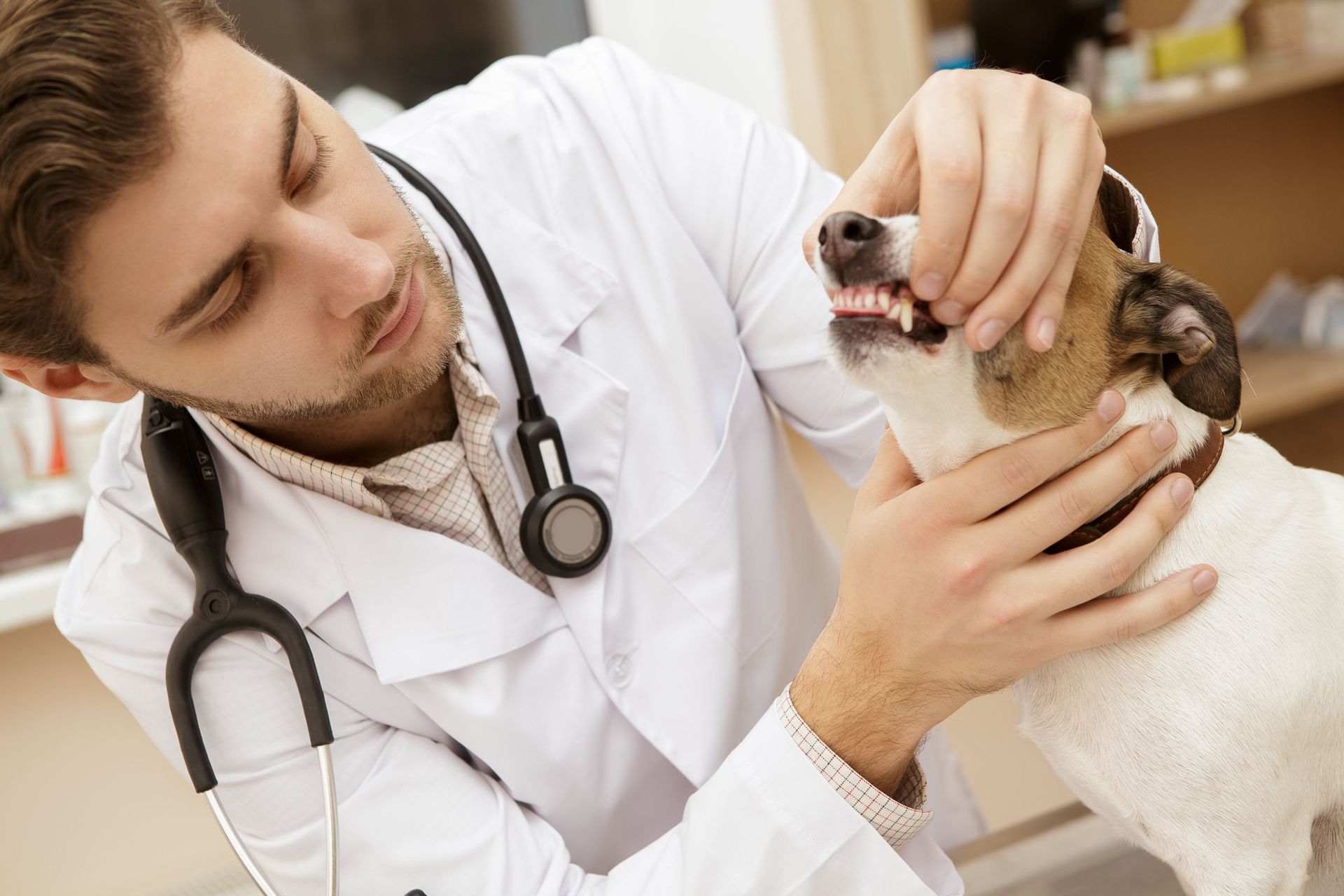
Preventive care is particularly important for busy families. Routine wellness examinations and vaccinations help veterinarians monitor health, identify potential concerns, and recommend appropriate next steps. Dental evaluations, nutritional advice, and diagnostic testing may also help address problems before they become more difficult to manage.
Convenience matters, but it should not replace appropriate medical attention. Pet owners need to understand when a concern can be discussed during a scheduled appointment and when it warrants more immediate evaluation.
Animal hospitals that communicate clearly can help families make informed decisions without feeling overwhelmed. Providing understandable instructions and opportunities to ask questions also makes it easier for owners to follow treatment recommendations at home.
Supporting Preventive Care Across Every Life Stage
A pet's healthcare needs change throughout its life. Puppies and kittens require guidance on vaccinations, development, nutrition, and preventive measures, while adult animals benefit from regular examinations and ongoing health monitoring. Senior pets may need closer attention to mobility, dental health, weight changes, and chronic conditions.
Veterinary professionals can help households prepare for these changes by explaining what to expect at different life stages. Preventive care recommendations should reflect the individual animal rather than relying exclusively on age or general guidelines.
Important areas of ongoing care include:
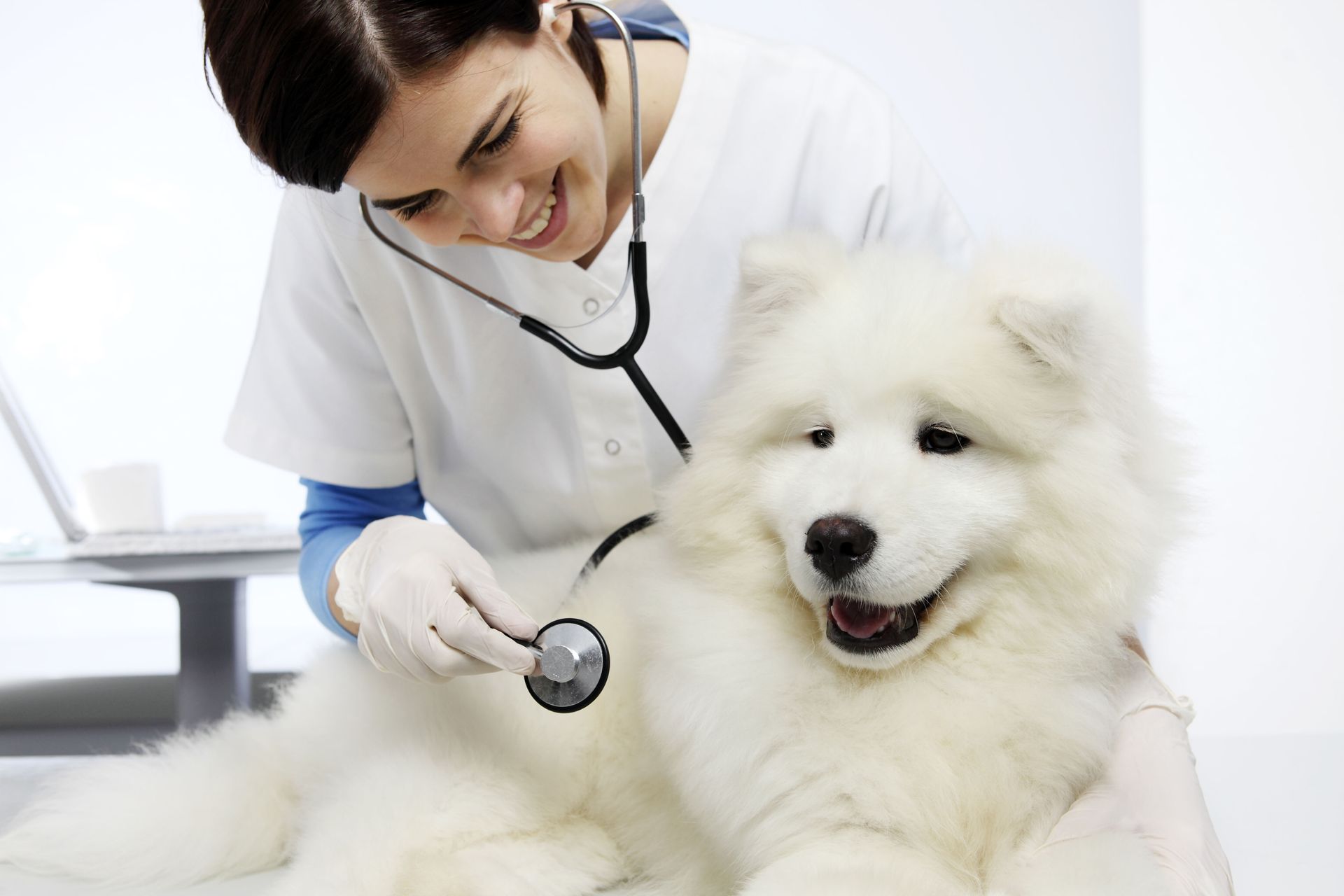
- Wellness examinations: Regular visits help establish a health baseline and identify changes that may require further evaluation.
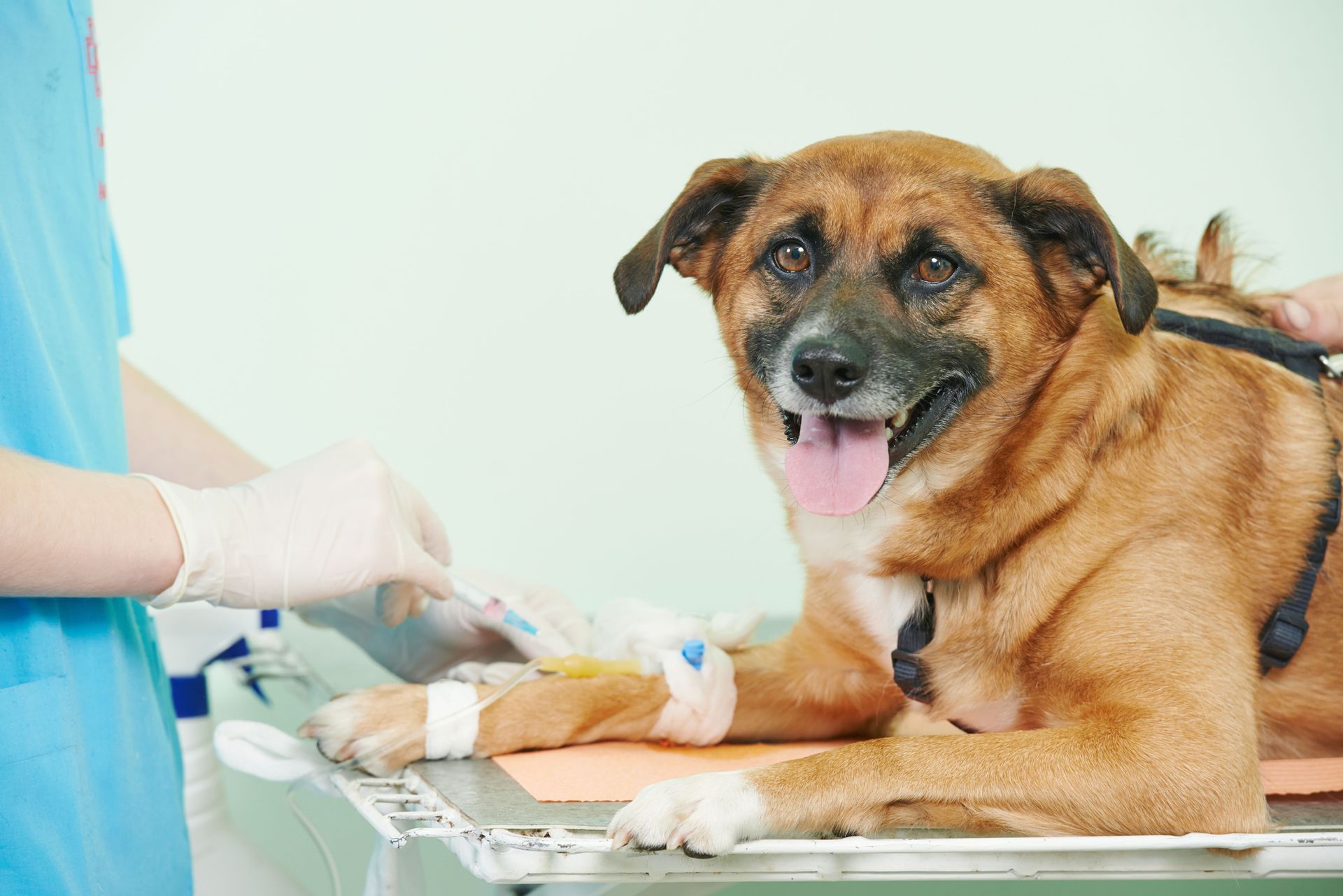
- Vaccinations and parasite prevention: Appropriate preventive measures help protect pets from certain infectious diseases and parasites.
- Dental care: Oral examinations and professional cleanings, when recommended, help address dental disease and related discomfort.
- Nutrition and weight management: Feeding guidance helps owners select appropriate diets and maintain healthy body condition.
- Behavioral observations: Changes in appetite, activity, sleep, or social interaction may provide important clues about a pet’s health.
By making these practices part of a household routine, families can take a proactive approach to their pets’ well-being.
Considering the Financial Realities of Pet Ownership
Financial considerations are another important part of understanding the average pet household. Veterinary expenses can vary depending on an animal’s age, medical history, preventive needs, and unexpected health problems. Families may need to balance routine care with other household expenses, particularly when several pets require attention. By understanding these financial realities, animal hospitals can help pet owners explore appropriate care options and make informed decisions about their animals’ health.
Veterinary teams can help owners understand anticipated costs before making treatment decisions. Discussing estimates, explaining the purpose of recommended procedures, and identifying appropriate care priorities can make conversations more productive.
Pet owners should feel comfortable asking questions about available options and the potential consequences of delaying care. Clear explanations help families understand why a service is recommended and how it supports their pet's health.
Strengthening Communication Between Veterinarians and Families
Effective veterinary care depends on cooperation between the medical team and the people who know the pet best. Household members observe their animals every day, so they may notice subtle changes that are difficult to identify during a brief examination. By maintaining open communication, animal hospitals can use these observations to better understand each pet’s needs and provide more personalized care.
Veterinarians can benefit from learning about a pet's normal behavior, daily activities, diet, and living environment. Owners should share information about changes in appetite, water consumption, bathroom habits, energy levels, or temperament. Even seemingly minor observations can help guide an examination or determine whether additional testing is appropriate.
Written instructions and clear follow-up recommendations can further support communication. When multiple household members share pet care responsibilities, keeping everyone informed helps maintain consistent routines.
Meeting the Needs of Diverse Pet Households
Not every household has the same experience, resources, or preferences when caring for an animal. First-time owners may need help understanding basic responsibilities, while experienced owners may seek advice about aging pets or complex medical conditions. Families with several animals may have different scheduling and preventive care needs than households with a single companion. By recognizing these differences, animal hospitals can provide more personalized recommendations that reflect each pet’s unique needs.
Perrysburg Animal Hospital offers services that support a variety of these needs, including wellness care, dental care, nutritional advice, pain management, surgery, radiology, ultrasound, and in-house laboratory and pharmacy services. The practice also provides care for dogs, cats, and certain rabbits and pocket pets through select veterinarians.
Having access to multiple services in one practice can help families coordinate different aspects of their pets’ healthcare. Recommendations can be tailored to the animal’s condition, with additional evaluation or specialist referral when necessary.
Building Healthier Futures for Pets and Their Families
Understanding today’s average pet household means recognizing that pet ownership is shaped by changing family structures, schedules, financial circumstances, and expectations. Although households differ, most owners want to keep their animals healthy, comfortable, and active for as long as possible. Veterinary professionals can support these goals through preventive care, individualized recommendations, and open communication.
As household needs continue to evolve, animal hospitals can strengthen their relationships with clients by listening carefully and making veterinary guidance easier to understand. Consistent wellness visits, appropriate diagnostics, and practical home-care routines all contribute to better-informed decisions.
For personalized veterinary guidance and compassionate care for your companion, contact Perrysburg Animal Hospital to schedule an appointment and discuss your pet’s healthcare needs.








Share On: