6 Questions to Ask Before Choosing a Pet Hospital
Choosing care for a pet involves more than finding the closest appointment. Pet owners need a place where questions are welcomed, medical information is explained clearly, and the available services fit their animal's needs. Whether a household has an energetic puppy, an aging cat, or another companion animal, asking a few practical questions can make the decision easier.
According to The Vet Service, dogs are the most common pet in the United States, with 65 million households owning a dog. That figure reflects how many families may face decisions about routine checkups, unexpected illnesses, and long-term care. Before choosing a practice, use these six questions to learn how it operates and whether its approach works for your pet and household.
1. What Services Are Available for Your Pet?
Start with the care your pet needs now, then consider what might change as they age. Ask about wellness examinations, vaccinations, parasite prevention, dental care, and treatment for common illnesses. Services differ among practices, so a list on a website is a starting point rather than a substitute for discussing your pet's specific needs.
Diagnostic options deserve attention, particularly if your pet has an ongoing condition. Find out whether blood testing, imaging, or other assessments are performed on-site or arranged through an outside provider. A referral is not necessarily a drawback; what matters is understanding how results are communicated and who will coordinate the next steps.
Also ask how urgent concerns are handled. Not every veterinary hospital provides overnight monitoring or emergency appointments, and after-hours arrangements can vary. Request the appropriate emergency contact information before an urgent situation develops. Knowing where to turn can save valuable decision-making time when a pet suddenly becomes ill or injured.
2. Who Will Be Caring for Your Pet?
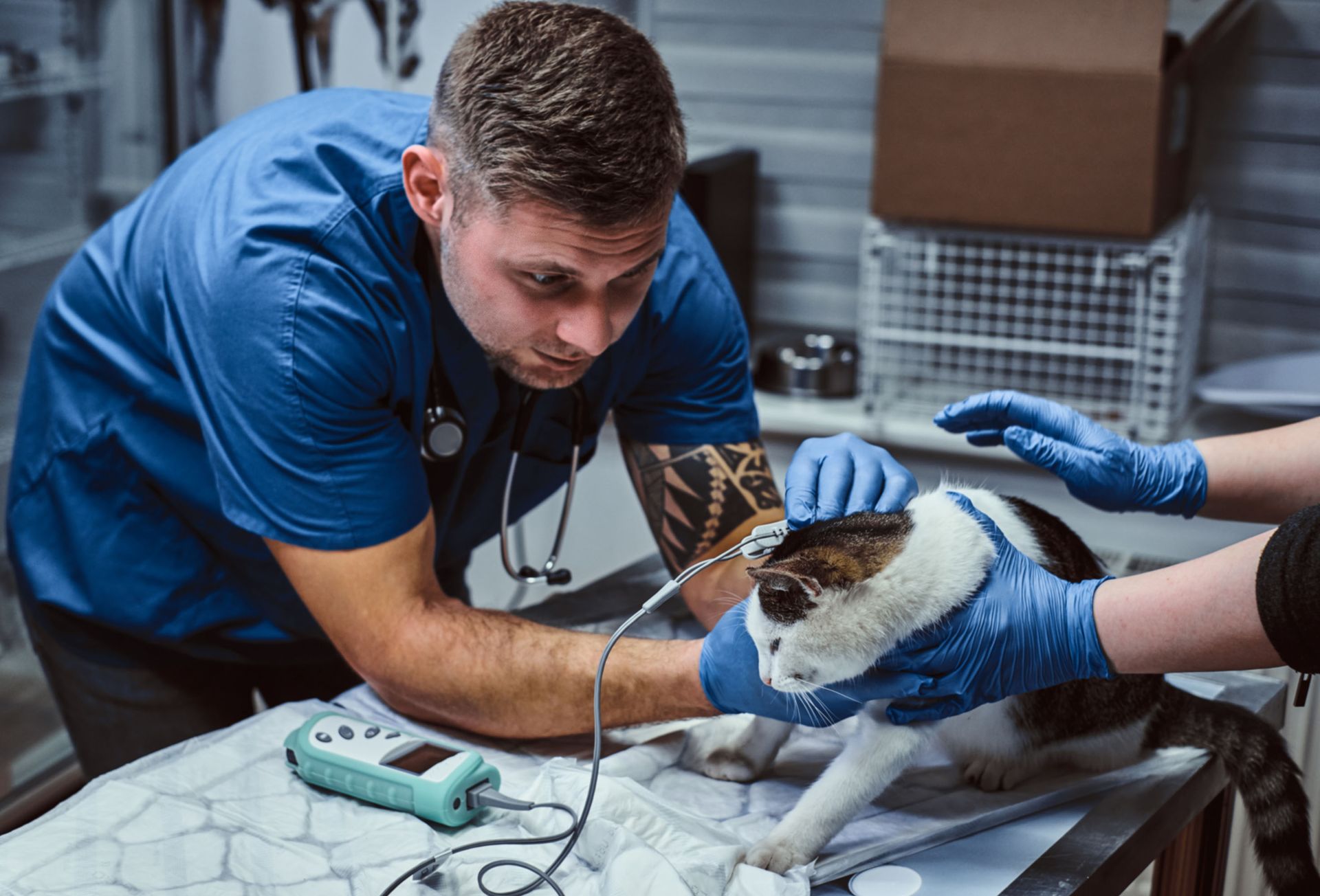
Qualifications matter, but so does the ability to communicate. Confirm that the veterinarians are appropriately licensed and ask what roles veterinary technicians and assistants play during appointments. If your pet has a condition that requires specialized attention, discuss the clinician's relevant experience and when a referral might be recommended.
During an initial conversation, notice whether staff members explain medical terms without making the discussion unnecessarily complicated. You should be able to ask why a test is suggested, what treatment options exist, and which symptoms require a follow-up visit. Clear answers make it easier to participate in decisions rather than simply agreeing to a plan you do not fully understand.
Continuity of care is another useful consideration. Ask whether your pet is likely to see the same veterinarian for follow-up visits and how records are shared when another clinician steps in. A veterinary hospital with an organized handoff process can make ongoing treatment easier to follow, especially for pets managing chronic conditions or taking multiple medications.
3. How Are Cleanliness and Safety Managed?
A tidy reception area offers a useful first impression, but the most important safety practices may not be visible to visitors. Ask how examination spaces are cleaned between patients and what procedures are used when an animal may have a contagious illness. The answers should be specific enough to explain the practice's process without requiring you to be an expert in infection control.
If your pet might need surgery, ask how anesthesia is monitored, how instruments are sterilized, and what postoperative observation involves. Different procedures call for different levels of care. Understanding the plan can help you prepare for recovery at home and recognize when a concern warrants contacting the clinic.
Safety also includes reducing avoidable stress. A busy waiting room may be difficult for a fearful dog or a cat unfamiliar with other animals. Ask whether quieter appointment times, separate waiting arrangements, or other accommodations are available. A veterinary hospital may have specific handling policies, so explain your pet's behavior and mobility needs rather than assuming every visit will follow the same routine.
4. What Do Other Pet Owners Say?
Online reviews can reveal how a practice communicates, schedules visits, and responds to routine questions. Read several detailed, recent accounts instead of relying entirely on an average star rating. A single review may describe an unusual experience, while repeated comments about clarity, timeliness, or follow-up can provide more useful context.
Recommendations from friends, neighbors, and other pet owners may help, too. Someone caring for an older animal or a pet with recurring medical needs might offer a different perspective from someone who primarily schedules annual wellness visits. Consider which experiences relate most closely to your own priorities. Be cautious about treating any testimonial as proof that a particular medical result is guaranteed.
Look beyond public feedback by asking how the practice handles questions between appointments. Can clients request records, receive test results, or obtain medication instructions through a reliable process? When comparing a veterinary hospital with other options, the consistency of its communication may matter more over time than an especially enthusiastic review.
5. How Are Costs and Payment Options Explained?
Veterinary care can involve both predictable expenses and unexpected treatment decisions. For a planned procedure, request a written estimate and ask which services it includes. Examination fees, laboratory testing, anesthesia, medications, and follow-up visits may be billed differently depending on the treatment and the provider's policies.
Ask what happens if an additional test or treatment becomes necessary. Will the practice discuss an updated estimate before proceeding when circumstances allow? Understanding how authorization and billing work makes it easier to plan and reduces the chance of confusion after an appointment. It is reasonable to discuss financial limits respectfully and ask about medically appropriate alternatives.
If you have pet insurance, clarify how claims and payment are handled. Many policies reimburse eligible expenses only after the client pays, and coverage depends on the plan. Similarly, financing and installment arrangements are not available everywhere. A veterinary hospital should be able to explain its own accepted payment methods and policies without promising that a particular treatment will be covered.
6. How Does the Practice Support Comfortable, Ongoing Care?
Pets have different temperaments, medical histories, and physical abilities. A young dog that enjoys meeting strangers may respond differently to an examination than a frightened rescue animal or a senior cat with arthritis. Ask how staff members approach anxious patients and whether you should take any steps before arriving, such as bringing familiar bedding or discussing a carrier.
Ongoing care should account for changes over time. Ask how recommendations are tailored to a pet's age, lifestyle, medical history, and risk factors. Preventive care is not identical for every animal, and owners benefit from understanding why a particular examination, vaccine, screening, or follow-up interval is suggested.
Finally, consider whether the practice makes room for shared decisions. A useful conversation covers the expected benefits of a treatment, possible risks, home-care instructions, and what to do if symptoms change. When evaluating a
veterinary hospital, look for communication that respects both the animal's welfare and the household's ability to carry out the care plan.
Choosing a pet care provider takes more than comparing addresses or appointment openings. The right questions can clarify services, qualifications, safety practices, communication, and costs before a health concern becomes urgent. Pet owners considering Perrysburg Animal Hospital can contact the practice to ask about available services, scheduling, and policies, then decide whether it is a good fit for their companion's needs.








Share On: